Reading
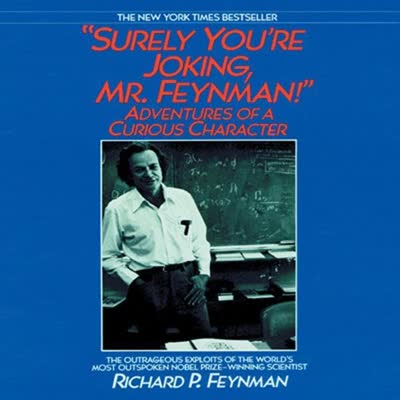
Surely You're Joking, Mr. Feynman!

Reading
South of the Border, West of the Sun

Completed
Kafka on the Shore

Reading
On Grand Strategy

Completed
Days at the Morisaki Bookshop

Completed
The Great Gatsby
Completed
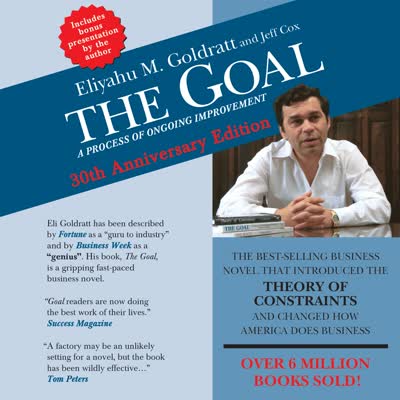
The Goal

Completed
A Sport and a Pastime

Completed
Stoner

Reading
7 Powers

Reading
Letters from a Stoic

Completed
Crime and Punishment

Completed
Nip the Buds, Shoot the Kids

Completed
The Unbearable Lightness of Being

Completed
The Stranger

Completed
East of Eden

Completed
Norwegian Wood

Completed
What I Talk About When I Talk About Running

Completed
Stories of Your Life and Others

Completed
Dune Messiah

Completed
Siddhartha

Completed
Dune

Completed
Dance Dance Dance

Completed
Sputnik Sweetheart
Loading more...
Letters from a Stoic
Penguin Classics
GoodreadsCurrently reading · 13%
Literature & Fiction · Politics & Social Sciences
Apr 8May 30
Apr 8, 2026 – May 30, 2026
No man can live a happy life, or even a supportable life, without the study of wisdom
Lucius Annaeus Seneca (4 BC-AD 65) is one of the most famous Roman philosophers. Instrumental in guiding the Roman Empire under emperor Nero, Seneca influenced him from a young age with his Stoic principles. Later in life, he wrote Epistulae Morales ad Lucilium, or Letters from a Stoic, detailing these principles in full.
Seneca’s letters read like a diary or a handbook of philosophical meditations. Often beginning with observations on daily life, the letters focus on many traditional themes of Stoic philosophy, such as the contempt of death, the value of friendship, and virtue as the supreme good.
Using Gummere’s translation from the early twentieth century, this selection of Seneca’s letters shows his belief in the austere, ethical ideals of Stoicism – teachings we can still learn from today.
My Notes (3)
.. My thought for today is something which I found in Epicurus (yes, I actually make a practice of going over to the enemy’s camp – by way of reconnaissance, not as a deserter!), ...
the tendency of Stoicism was always to exalt man’s importance in the universe rather than to abase him before a higher authority
"it is no part of the business of philosophy to turn people into better persons. His tremendous faith in philosophy as a mistress was grounded on a belief that her end was the practical one of curing souls, of bringing peace and order to the feverish minds of men pursuing the wrong aims in life"